


Composite Doors for a Better Front Door at Home

- 19 October 2026
- News
A front door has to do far more than look welcoming. It must stand up to wet winters, daily school runs, muddy paws, deliveries and the occasional forgotten key, while helping your home feel warmer and more secure. For many homeowners, composite doors offer the right balance of appearance, performance and straightforward upkeep.
They are not all made to the same specification, however. The best choice depends on your property, the look you want to achieve and the details behind the door furniture – from the frame and glazing to the locking system and quality of installation. Here is what to consider before choosing a new entrance door.
What are composite doors made from?
A composite door is built from several materials rather than a single sheet of uPVC, timber or aluminium. While the exact construction differs between manufacturers, it typically combines a strong inner core with layers designed to add insulation, rigidity and weather resistance. The outer finish is made to give the door its colour and character without the regular painting associated with many traditional timber doors.
This layered construction is the main reason composite doors have become such a popular replacement choice. A well-made door can feel substantial when it closes, resist everyday knocks and provide a more solid appearance than a basic panelled door.
That does not mean every composite door is identical. Core material, skin thickness, frame quality, seals, hinges and hardware all influence how the finished door performs. It is worth comparing the whole door set, not simply choosing by colour or the first advertised price.
Why composite doors suit Essex and Suffolk homes
From Victorian terraces and coastal cottages to newer family homes, properties across Essex and Suffolk have very different frontages. Composite doors work well because they are available in a wide range of designs. You can choose a traditional style with decorative glazing, a cottage-inspired door with a woodgrain finish, or a cleaner contemporary design with simple lines and sidelights.
Colour is another advantage. Classic black, white, grey and green remain popular, but a carefully chosen blue, red or heritage shade can give a plain frontage more personality. The right door should complement the brickwork, render, windows and porch rather than compete with them.
Performance matters just as much as kerb appeal. A draughty, poorly fitted entrance door can make a hallway feel noticeably colder. A correctly specified replacement door, with a well-fitted frame and effective seals, can help reduce draughts and improve comfort near the entrance. Its thermal performance should be considered alongside the rest of the property, particularly if you are also replacing windows or planning an extension.
Composite doors: security is in the detail
Homeowners often choose composite doors because they want a more reassuring entrance. Their rigid construction can provide a strong starting point, but security is never just about the door slab.
A secure installation depends on the complete system: the frame must be fixed correctly, hinges should suit the door configuration, glazing needs to be securely installed, and the lock and cylinder should be appropriate for the property. The handle, letterplate and any side panels also need proper consideration, as each forms part of the entrance rather than an afterthought.
Ask clear questions about the locking arrangement and how the door will be secured to your opening. An experienced installer should explain the options in plain English and make sure the finished door operates properly. A door that catches, drops or requires force to lock is not something you should accept as normal.
Choosing the right style for your property
The most successful front-door projects are led by proportion. A bold, modern door can look excellent on a contemporary property, but may feel out of place on a period home with traditional windows. Equally, a heritage-style door can give a newer house warmth and character when its glazing and hardware are chosen with care.
Glazing, sidelights and privacy
Glazed panels can bring useful daylight into a dark hallway, particularly where a porch blocks natural light. Obscure or decorative glass offers privacy while still brightening the entrance, and a sidelight can make a narrow doorway feel more generous.
There is a trade-off. More glass changes the balance of the design and may reveal more of the hallway, so consider sightlines from the pavement as well as the light entering your home. The glazing specification should also be suitable for a front-door location and fitted as part of a secure door system.
Handles and finishing touches
Hardware is small in scale but highly visible. A traditional knocker and letterplate may suit a cottage or period property, while a long pull handle can give a modern door a sharper finish. Matching the finish of the handle, knocker, letterplate and house number creates a considered result.
Think practically too. If you regularly carry shopping, manage a pushchair or have young children, choose hardware that is comfortable to use every day. The most attractive option is not always the most convenient one.
How composite doors compare with uPVC, timber and aluminium
There is no single best door material for every home. Composite doors are often chosen for their low-maintenance finish, broad design choice and solid feel. They can be an excellent middle ground for homeowners who like the warmth of a timber-style appearance but do not want a painting schedule.
A uPVC door may be a cost-conscious choice for some properties and can provide reliable performance when well specified. Timber has a distinctive natural character and may be the right answer for certain heritage homes, though it requires more ongoing care. Aluminium offers slim sightlines and a crisp, architectural appearance, particularly for modern homes or large glazed entrances.
The key is to compare like for like. Consider the quality of the frame, the glazing, insulation, security features, finish, expected maintenance and installation – not just the headline material. Honest advice should help you decide where it makes sense to invest and where a simpler option is perfectly suitable.
What to check before ordering a composite door
A made-to-measure survey is essential. Openings in older homes are rarely perfectly square, and replacing a door can reveal issues with existing frames, thresholds or surrounding brickwork. Measuring carefully before manufacture helps avoid gaps, poor operation and untidy finishing work later.
Discuss whether you need a low threshold for easier access, how the door will open, and whether it needs to work with an existing porch, canopy or alarm system. If you live in a conservation area or a listed building, you may also need to check whether any particular design or approval requirements apply before work begins.
It is sensible to ask what is included in the quotation. A clear proposal should set out the door style, colour, glazing, hardware, frame, installation and any making-good work. This makes it easier to compare options fairly and avoids uncertainty when the project is underway.
Looking after a composite front door
One of the attractions of composite doors is that maintenance is usually simple. Washing the surface occasionally with warm, soapy water and a soft cloth will keep it looking smart. Avoid abrasive cleaners, solvents and scouring pads, which can damage the finish or hardware.
Check the hinges, lock and weather seals from time to time, particularly after severe weather or if the door starts to feel different in use. A small adjustment dealt with early can prevent unnecessary wear. Keep drainage channels around the threshold clear of leaves and debris so water can escape as intended.
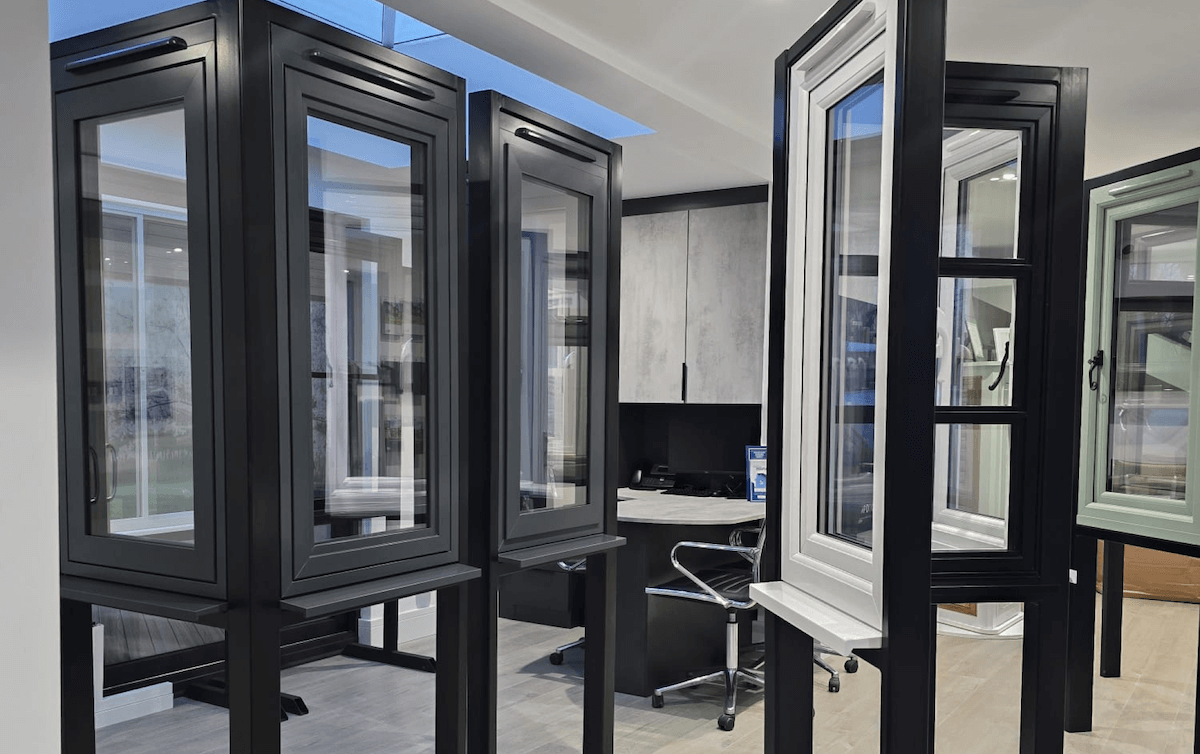
A new front door should make coming home feel better every day, whether that means a warmer hallway, a more secure entrance or simply a frontage you are proud to see. Take time to see colours, finishes and hardware in person where possible. At the Energy Efficient Homes showroom in Marks Tey, homeowners can discuss the practical details without pressure and choose a door that suits both their property and the way they live.