


Energy Efficient Replacement Windows Explained

- 19 October 2026
- News
Cold glass on a winter morning, a room that never quite warms up, or traffic noise that cuts through the front of the house are all familiar signs that existing windows are no longer doing their job. Energy efficient replacement windows are designed to address those everyday frustrations while improving the appearance, security and long-term value of your home.
For homeowners in Essex and Suffolk, the right replacement windows need to cope with changeable weather, suit the character of the property and deliver a worthwhile improvement in comfort. The best choice is rarely just about the frame colour or the lowest quote. It is about how the glass, frame, seals and installation work together.
What makes replacement windows energy efficient?
A window is an opening in the building envelope, so its performance has a direct effect on how easily heat escapes from your home. Modern units use several features to reduce that loss, including insulated frames, tightly engineered seals and high-performance double or triple glazing.
The glass is especially influential. A typical energy-efficient glazed unit contains two or three panes separated by a sealed gap, often filled with an inert gas such as argon. A low-emissivity coating on the internal surface helps reflect warmth back into the room while still allowing useful daylight to enter. Warm-edge spacer bars around the perimeter of the unit reduce heat transfer at an area that was once a common weak point.
Frame design matters just as much. Quality uPVC frames contain multiple internal chambers that help limit heat movement. Aluminium is naturally a more conductive material, but modern aluminium windows use a thermal break between the inner and outer sections of the frame. This allows homeowners to enjoy slim sightlines without compromising on the thermal performance expected from a modern installation.
You may see window ratings expressed as a U-value or an energy rating. A lower U-value means less heat passes through the window. Energy ratings take a broader view, considering heat loss, air leakage and solar gain. Both can be useful, but they should support a conversation about your property rather than replace it. A large south-facing bay, for example, has different needs from a shaded bedroom on the north side of the house.
Choosing energy efficient replacement windows for your home
The most suitable window is one that complements the building and the way you live in it. A well-insulated window that looks out of place, restricts practical ventilation or is poorly fitted will not feel like a good investment.
uPVC for value, warmth and low maintenance
uPVC remains a popular choice because it offers strong thermal performance, durability and straightforward maintenance at an accessible price point. It is available in far more finishes than the white frames many people remember, including woodgrain effects and contemporary colours.
Casement windows are a versatile option for many detached, semi-detached and terraced homes. Flush casement designs sit neatly within the frame for a more traditional, refined appearance, while cottage-style configurations can retain the charm of period-inspired properties. For homes with ageing timber windows, carefully chosen uPVC can provide an efficient upgrade without losing all of the original character.
Aluminium for slim frames and contemporary design
Aluminium windows have a clean, architectural appearance and can be particularly effective where larger panes of glass or narrow sightlines are wanted. They are strong, long-lasting and available in a broad choice of durable powder-coated finishes.
They can cost more than uPVC, so the decision often comes down to design priorities and budget. For a modern extension, orangery or property with wide openings, the additional visual impact may be worthwhile. For a whole-house window replacement where value is the main consideration, a high-quality uPVC system may be the more sensible route.
Styles that respect the property
Sliding sash windows can provide the classic vertical proportions associated with Victorian and Georgian homes, with modern security and insulation behind the traditional look. Bay and bow windows bring light and character to a room, but need careful measuring and installation to ensure every section is properly sealed.
Tilt and turn windows are useful where safe, controlled ventilation and easy external cleaning are priorities, particularly upstairs. Heritage and bespoke options may be appropriate for properties in sensitive locations or homes with distinctive existing details. Secondary glazing can also be a considered solution where original windows must remain in place or where additional noise reduction is required.
Glazing choices affect comfort as well as bills
Replacing old single glazing with modern double glazing can make a noticeable difference to draughts, cold spots and condensation. Triple glazing may improve performance further, but it is not automatically the right answer for every property.
Triple-glazed units are heavier and can cost more. Their benefits are often most compelling in very exposed locations, for rooms that feel consistently cold, or where the rest of the building fabric is already well insulated. In some homes, a high-specification double-glazed unit offers an excellent balance of warmth, light transmission, cost and frame proportions.
Noise-reducing glazing is another option worth discussing if you live near a busy road, railway line or school route. It works best when combined with a well-fitted frame and good perimeter seals. Glass alone cannot overcome gaps around the opening, which is one reason professional installation is central to the final result.
For rooms that receive strong sun, solar-control glass may help reduce overheating and glare. Privacy glass can be helpful in bathrooms or overlooked spaces. These choices should be made room by room where necessary, rather than applying the same specification everywhere without thought.
Installation is part of the energy performance
Even a carefully specified window will underperform if it is fitted poorly. Gaps between the frame and the wall can allow draughts and moisture to enter, while careless finishing can damage surrounding plaster, render or internal décor.
A professional survey should establish the condition of the existing openings, the likely frame depth, drainage requirements and any practical access issues before work begins. It is also the time to discuss details such as opening direction, handle position, fire-escape requirements and how the new windows will sit alongside existing doors, cladding or conservatory glazing.
During installation, the old units should be removed carefully and the new frames fixed squarely and securely. Appropriate insulation and sealing around the perimeter help prevent unwanted air movement. The final finish matters too: neat trims, clean sealant lines and tidy making-good protect the appearance of the home as well as the installation itself.
It is reasonable to ask what is included in the quotation. Clear information on the window specification, glazing, removal of old frames, finishing work and guarantees makes it easier to compare proposals fairly. A surprisingly low price can sometimes reflect a lower specification or omissions that only become clear later.
How to get the best result from your investment
Before choosing windows, take a walk around your home and note where discomfort is most noticeable. Are there draughts by the lounge bay? Does condensation gather in a particular bedroom? Is the kitchen too noisy at peak traffic times? These observations help turn a general replacement project into a solution tailored to your home.
It also helps to consider the wider picture. If you are planning an extension, replacing a front door or upgrading a conservatory roof, coordinating finishes and performance levels can create a more consistent result. Window colour, glazing style and sightlines all contribute to kerb appeal and the feeling of a well-considered home.
Do not overlook ventilation. Modern windows are designed to seal far more effectively than older units, which is excellent for warmth but means everyday moisture still needs a route out. Background ventilation options, sensible use of opening sashes and extractor fans in kitchens and bathrooms all play a role in maintaining healthy indoor air.
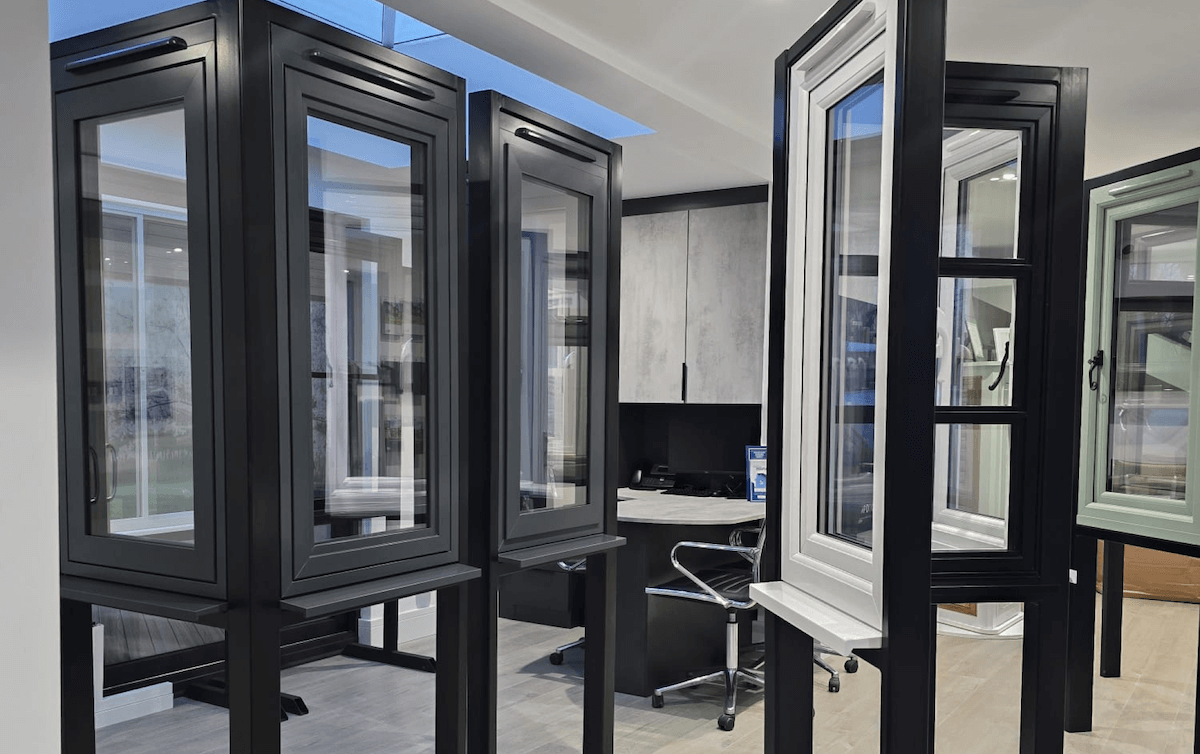
A showroom visit can make these decisions easier. Seeing frames, finishes, handles and glazing options in person gives you a clearer sense of quality than a small sample or online image. It is also an opportunity to ask practical questions without pressure and compare options against your budget.
Energy Efficient Homes can help homeowners across Essex and Suffolk weigh up materials, styles and glazing choices with honest advice and clear information. The aim is not simply to replace old frames, but to create quieter, warmer and more attractive rooms that feel better to live in every day.
A good replacement window should disappear into the background once it is fitted: no persistent draught, no rattling in the wind, no concern when the weather turns. Taking the time to choose the right specification and installer is how that everyday comfort becomes a lasting improvement.